
If you are trying to decide between the Garmin HRM 200 and the Garmin HRM 600 for more accurate heart rate data than a wrist sensor can give, this comparison walks you through the real differences so you can pick the right strap for your training.
I tested both in daily runs, bike sessions, and mixed workouts to see where each one shines and where the extra cost of the 600 actually matters.
You will walk away knowing exactly which model fits your needs, budget, and sports.
| Feature | Garmin HRM 200 | Garmin HRM 600 |
| Price (approx. MSRP) | $79.99 | $169.99 |
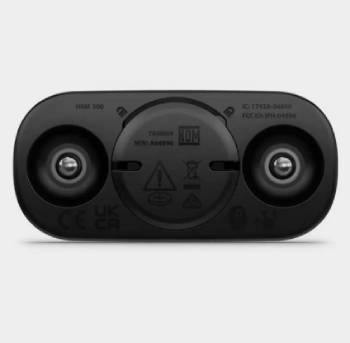
| Battery | Replaceable CR2032 | Rechargeable lithium-ion |
| Battery life (1 hr/day) | Up to 12 months | Up to 2 months |
| Water rating | 3 ATM | 5 ATM |
| Real-time HR + HRV | Yes | Yes |
| Running dynamics (incl. Step Speed Loss) | No | Yes (with compatible watch) |
| Onboard activity recording (no watch) | No | Yes |
| Daily activity tracking | No | Yes (steps, calories, etc.) |
| Swim heart-rate storage | No | Yes |
| Connectivity | ANT+ (unlimited) + BLE (up to 3) | ANT+ (unlimited) + BLE (up to 3) |
| Secure BLE | Yes | Yes |
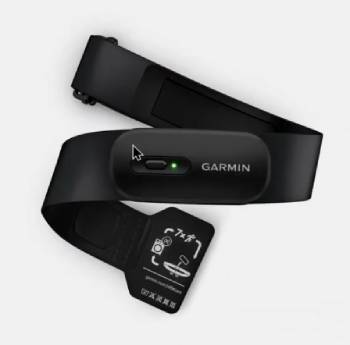
| Strap | Detachable, machine-washable, two sizes | Detachable, machine-washable, two sizes |
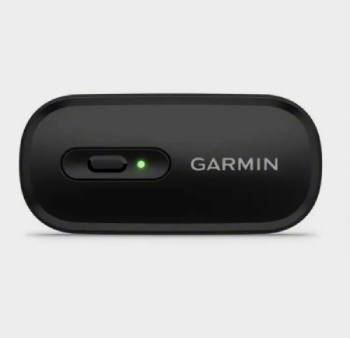
| Status LED | Bi-color | Tri-color |
| Weight (M-XL approx.) | 63 g | 61 g |
My Real-World Experience With Both Straps
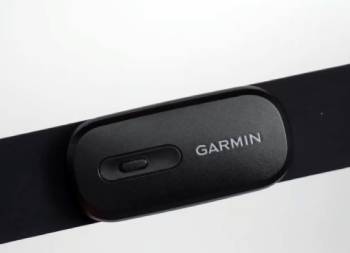
I started with the HRM 200 because the lower price made it an easy first step away from wrist-based optical sensors.
The strap felt familiar right away.
I snapped the module in, moistened the electrodes, adjusted the fit, and paired it to my Garmin watch in seconds.
Heart rate locked on fast during warm-ups and stayed steady through intervals.
The bi-color LED gave clear feedback when it was awake or low on battery.
I ran with it, rode indoors and outdoors, and used it for strength sessions.
Data matched what I expected from a quality chest strap and felt more responsive than my watch alone during hard efforts.
Battery life lived up to the claim.
Months went by before I even thought about swapping the coin cell.
The machine-washable strap made cleaning simple after sweaty days.
Then I moved to the HRM 600 to see what the jump in price bought.
The rechargeable battery meant I no longer kept spare CR2032 cells in a drawer.
I charged it with the same proprietary cable style many Garmin watches use and got solid weeks of daily use.
The 5 ATM rating let me take it into the pool without worry.
When I swam, the strap stored heart-rate data and later pushed it to my watch or the app.
On runs the extra running dynamics appeared once paired with a compatible watch.
Stride length, vertical oscillation, ground contact time balance, and the newer step speed loss metric showed up and gave me more form feedback than the 200 ever could.
I also tested the watch-free recording feature.
I started an activity from the Garmin Connect app, left the watch behind, and the 600 still captured the session for later sync.
That flexibility proved useful on days I wanted fewer devices on my body.
Daily activity tracking continued in the background when I wore the strap longer, adding steps and intensity minutes that synced across my Garmin devices.
Comfort stayed high on both models.
The two size options helped me dial in a secure yet non-restrictive fit.
Neither strap shifted much once properly adjusted.
The modules stay removable so the fabric part can go through the wash.
From an analytical view the core heart-rate and HRV accuracy felt comparable.
The real separation sits in the extra sensors and storage inside the 600.
If you only need reliable live heart rate the 200 delivers it cleanly.
If you want deeper running metrics, swim storage, and the ability to record without a watch the 600 justifies the higher cost.
Key Features That Matter in Daily Training
Both straps transmit accurate real-time heart rate and HRV so your training zones stay reliable.
The 200 keeps the experience simple and long-lasting on a single battery.
The 600 adds motion sensors that feed running form data and the ability to act as a standalone recorder.
Connectivity stays strong on both with unlimited ANT+ and up to three simultaneous Bluetooth connections.
Secure pairing options appear on both for users who want encrypted data links.
Comfort comes from the soft, adjustable straps and the freedom to remove the electronics for washing.
Battery philosophy differs sharply.
One model favors set-and-forget longevity with a common coin cell.
The other favors the convenience of recharging alongside your other Garmin devices.
Water resistance separates them for swimmers and triathletes.
The 600 handles pool and open-water sessions with data storage while the 200 stays better suited to land-based sweat and rain.
Who Should Choose the Garmin HRM 200
Choose the 200 if you want solid chest-strap accuracy at the lowest cost.
It suits runners and cyclists who already get form metrics from their watch and simply need better heart-rate response than the wrist can provide.
Gym users and indoor trainers benefit from the broad device compatibility.
Anyone who dislikes frequent charging will appreciate the year-long battery life.
If your budget is tight or you are new to chest straps the 200 removes risk while still delivering professional-grade heart-rate data.
Who Should Choose the Garmin HRM 600
Pick the 600 if you run seriously and want the full set of dynamics including the newer step speed loss metric.
Triathletes and swimmers gain from the higher water rating and stored swim heart-rate data.
Athletes who sometimes train without a watch or phone benefit from onboard recording.
Users already deep in the Garmin ecosystem who track daily metrics will like the continuous activity data.
If you prefer recharging over battery swaps and plan to keep the strap for years the 600 future-proofs your setup.
Comfort, Fit, and Long-Term Ownership
Both models offer XS-S and M-XL straps so most athletes find a secure fit.
Proper electrode moisture and snug but non-constricting placement remain essential for clean signals.
I found chafing rare once the strap sat correctly and the fabric stayed clean.
Removing the module before washing extends the life of the electronics and keeps the strap fresh.
Over months the 200 required almost zero thought beyond occasional battery checks.
The 600 required periodic charging yet never left me stranded during a training block when I topped it up alongside my watch.
Signal stability stayed excellent on both during intervals, hills, and steady efforts.
Dropouts were rare when the strap stayed moist and properly positioned.
Read More: Optrimo Fuel Saver
Analytical Look at Value
At roughly half the price the HRM 200 delivers the core benefit most people seek: accurate, low-latency heart rate.
The HRM 600 doubles the investment to unlock storage, higher water resistance, running dynamics, and daily tracking.
If those extras align with your sports the cost per useful feature becomes reasonable.
If they do not the 200 remains the smarter financial choice.
Accuracy of the basic heart-rate stream does not appear meaningfully different between the two.
The decision therefore rests on feature needs rather than raw measurement quality.
Pros and Cons Of Garmin HRM 200
Pros Of Garmin HRM 200
- Low Entry Price: Costs significantly less than the HRM 600 while still delivering accurate chest-strap heart rate.
- Long Battery Life: Replaceable CR2032 cell provides up to 12 months of use at one hour per day.
- Core Accuracy: Delivers reliable real-time heart rate and HRV data across running, cycling, and strength sessions.
- Easy Maintenance: Detachable module and machine-washable strap simplify cleaning after sweaty workouts.
- Broad Compatibility: Works with Garmin watches, Edge computers, third-party apps, and gym equipment via ANT+ and Bluetooth.
- Secure Connection Option: Supports encrypted Bluetooth pairing for added data privacy.
- Flexible Sizing: Available in XS-S and M-XL straps to fit a wide range of chest sizes.
- Simple Feedback: Bi-color LED and physical button clearly show status and pairing mode.
- Lightweight Design: Comfortable for extended wear without excessive bulk.
- Quick Setup: Pairs rapidly and requires minimal daily attention once fitted.
Cons Of Garmin HRM 200
- No Running Dynamics: Lacks advanced metrics such as stride length, ground contact time, and step speed loss.
- No Onboard Storage: Cannot record a full activity if you leave your watch or phone behind.
- Limited Water Rating: 3 ATM rating restricts confident use for swimming data capture.
- Battery Replacement Needed: Requires buying and swapping coin cells over time.
- No Daily Activity Tracking: Does not record steps, calories, or intensity minutes on its own.
- Fewer Multi-Sport Features: Misses swim storage and team-sport tools found on the higher model.
- Potential to Outgrow: Serious runners and triathletes may later want the extra capabilities of the 600.
- Basic Feature Focus: Stays limited to core heart-rate transmission without expanded analytics.
Pros and Cons Of Garmin HRM 600
Pros Of Garmin HRM 600
- Rechargeable Battery: Built-in lithium-ion cell lasts up to two months per charge and eliminates coin-cell swaps.
- Higher Water Resistance: 5 ATM rating supports swimming and more confident wet-condition use.
- Advanced Running Dynamics: Provides stride length, vertical oscillation, ground contact time balance, and step speed loss with a compatible watch.
- Watch-Free Recording: Captures full activities without a watch and syncs later through Garmin Connect.
- Daily Activity Tracking: Records steps, distance, calories, and intensity minutes while worn.
- Swim Heart-Rate Storage: Stores underwater heart-rate data for later transfer.
- Easy Cleaning: Detachable module and machine-washable strap maintain the same convenient care routine.
- Clear Status Indicators: Tri-color LED and button improve visibility of battery and connection state.
- Strong Compatibility: Supports unlimited ANT+ and up to three simultaneous Bluetooth connections including secure mode.
- Multi-Sport Flexibility: Adds value for runners, triathletes, and athletes who train across different activities.
Cons Of Garmin HRM 600
- Higher Price: Costs roughly twice as much as the HRM 200.
- Charging Required: Needs periodic recharging instead of simple battery replacement.
- Watch Dependency for Full Metrics: Many advanced running dynamics need a compatible higher-end Garmin watch.
- Features May Go Unused: Running and swim extras provide less value for pure cyclists or basic gym users.
- Proprietary Charging: Uses Garmin’s common charging approach rather than a fully universal cable on the strap.
- Shorter Stated Battery Life: Two-month rating is shorter than the year-long coin-cell life of the 200 under similar use.
- Premium Cost Justification: Value depends heavily on actually using the extra sensors and storage.
Read More: Dusk Glide Pro 3.0 Razor Review
Frequently Asked Questions (FAQs)
The HRM 600 is better if you need running dynamics, swim storage, or watch-free recording. The HRM 200 is better if you want reliable heart rate and HRV at lower cost with longer battery life between changes.
Both work excellently for cycling. The HRM 200 is usually sufficient and more economical unless you also run or swim and want the extra metrics and water rating of the 600.
Yes if you will use the advanced running dynamics, onboard recording, or swimming features. Otherwise the extra cost is harder to justify over the capable HRM 200.
The best depends on your needs. The HRM 600 is the most feature-rich current option. The HRM 200 is the best value for core accurate heart-rate tracking.
Final Thoughts
After living with both straps I see a clear split.
The Garmin HRM 200 gives you trustworthy chest-strap heart rate without unnecessary complexity or cost.
The Garmin HRM 600 adds meaningful tools for runners, swimmers, and athletes who want data even when the watch stays home.
Match the strap to the way you actually train and you will get the accuracy upgrade you are looking for.
You now have the details to choose with confidence and start collecting cleaner data on your next session.